
Understanding the psychology of risk in gambling behaviors
The Nature of Risk in Gambling
Risk is an inherent part of gambling, attracting individuals seeking thrill and excitement. At its core, gambling involves making decisions under uncertainty, where the outcomes are often unpredictable. This uncertainty fuels the adrenaline rush, making the activity appealing to many. The psychological allure of risk can lead to a heightened state of arousal, drawing players into the game, especially when exploring options like pay id pokies.

Understanding the nature of risk also involves recognizing how different individuals perceive it. Some may see risk as an opportunity for reward, while others may experience anxiety at the thought of losing. This dichotomy plays a crucial role in gambling behaviors, as it shapes how players engage with various forms of gambling, from casual games to high-stakes bets.
Cognitive Biases in Gambling
Cognitive biases are mental shortcuts that can significantly influence decision-making in gambling. One common bias is the illusion of control, where players believe they can influence outcomes in games of chance. This belief can encourage risk-taking behaviors, as individuals may gamble more aggressively, thinking they have a better chance of winning than they actually do.
Another prevalent bias is the gambler’s fallacy, which leads individuals to believe that past events can influence future outcomes. For instance, a player may think a particular slot machine is “due” for a win after a series of losses. These cognitive biases create a distorted perception of risk, often resulting in unwise gambling decisions.
Emotional Factors Influencing Gambling Decisions
Emotions play a pivotal role in gambling behaviors, often driving individuals to take risks they might otherwise avoid. The excitement of winning can evoke feelings of euphoria, prompting players to continue gambling in hopes of replicating that high. Conversely, losses can lead to frustration and desperation, pushing individuals to gamble further in an attempt to recover their losses.
This emotional rollercoaster can create a cycle of behavior where players become increasingly invested in their gambling experiences. Recognizing how emotions influence decision-making can help individuals better understand their own gambling behaviors and identify when they may be acting impulsively due to emotional states.
The Social Aspects of Gambling
Gambling is often a social activity, and the influence of peers can significantly affect an individual’s perception of risk. People may be more likely to engage in gambling behaviors when they see friends or family participating. This social reinforcement can create a sense of belonging, further motivating individuals to take risks.
Additionally, social environments can amplify the excitement and perceived safety of gambling. When surrounded by others who are also gambling, individuals may feel emboldened to take greater risks than they would if gambling alone. This social dynamic can obscure personal assessment of risk, leading to behaviors that may not align with one’s typical decision-making patterns.
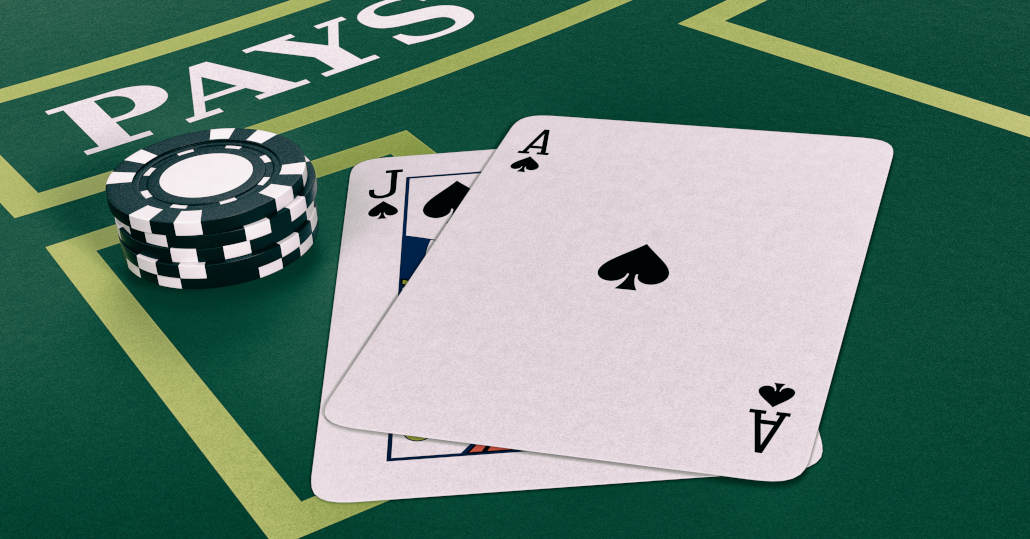
PayID Pokies Australia: A Resource for Understanding Gambling
For those interested in exploring the world of online gambling, PayID Pokies Australia offers a comprehensive resource. It provides valuable information about online casinos and various payment methods, including the fast and secure PayID system. Understanding these options can enhance the gambling experience, helping players make informed decisions that align with their risk profiles.
By emphasizing reliable banking solutions and user-friendly platforms, PayID Pokies Australia aims to empower players, allowing them to navigate the complexities of gambling more effectively. The site encourages responsible gaming practices, making it an essential tool for both novices and seasoned players looking to deepen their understanding of gambling behaviors and psychology.